

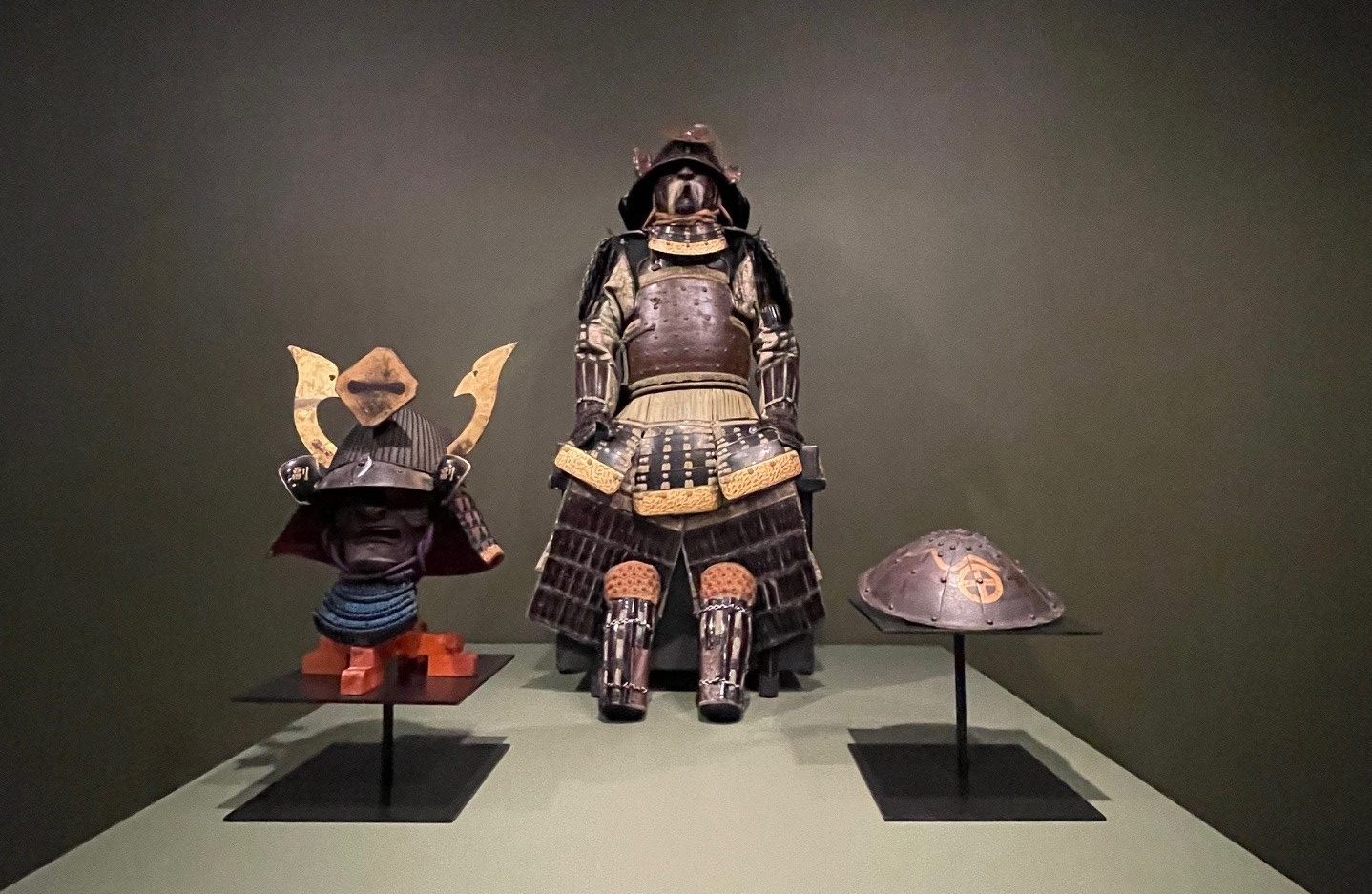
They moved with quiet purpose, eyes calm, blades sharper than the line between life and death. The samurai were more than warriors, they were symbols of honor, loyalty, discipline, and art. In a modern world of fast fades and fleeting trends, the timeless soul of the samurai still cuts through, reminding us of a way of life ruled not by chaos, but by clarity.
The Birth of the Warrior Class
Emerging in the Heian period (794–1185), the bushi, or warrior class, rose from the shadows of Japan’s political instability to become its most powerful elite. By the Kamakura and Edo periods, the samurai were not only military leaders, they were landowners, administrators, and educators of the next generation.
From battlefield to government office, their influence stretched far beyond the sword. And while their armor glinted in the sun, it was their code, their unwavering commitment to honor, that truly set them apart.
Bushidō: The Soul That Outlived the Sword
At the heart of samurai culture lies Bushidō, the “Way of the Warrior”, a moral compass more binding than any law. Guided by seven core virtues, rectitude, courage, benevolence, respect, honesty, honor, and loyalty, Bushidō dictated not only how a samurai fought, but how they lived and died.
Failure to uphold one’s honor wasn’t just disgraceful, it was punishable by seppuku, a ritual suicide that restored dignity in the face of shame. Brutal? Yes. But in the samurai worldview, dying with integrity was more valuable than living without it.
Even today, these ideals echo in Japanese culture, from the discipline of martial arts to the humility in a bow, the silence in a tea ceremony, and the harmony in business etiquette.
The Katana: Forged in Fire, Wielded with Wisdom
Few symbols are as revered as the katana. More than a weapon, it was a mirror of the samurai’s spirit, crafted over weeks of precise forging, folding, and tempering.
Carried with sacred care, the katana represented balance, beauty, and lethal grace. A warrior trained for years, perfecting every draw, every strike, not just for war, but for inner mastery.
To carry a katana was not a license to kill, it was a lifelong commitment to discipline. Every cut was deliberate. Every move, meditative.
The Warrior-Poet Paradox
While their armor may tell stories of blood and steel, samurai were surprisingly soft-spoken off the battlefield. They painted. They wrote poetry. They practiced calligraphy and the tea ceremony. A true samurai balanced brutality with beauty, ferocity with philosophy.
This blend of warrior and artist gave birth to one of Japan’s most refined aesthetics, wabi-sabi, the art of imperfection and impermanence. To the samurai, a falling cherry blossom wasn’t just a beautiful sight, it was a metaphor for life: brief, fragile, and worthy of honor.
Samurai in Pop Culture: From History to Legend
Though the last official samurai class was dissolved in the late 1800s during the Meiji Restoration, their presence in global culture has never been stronger.
In cinema, directors like Akira Kurosawa turned samurai epics into timeless classics. Westerns and blockbusters like Star Wars borrowed their philosophy and flair. In gaming, titles like Ghost of Tsushima bring their world back to life with stunning detail. And in anime, the ronin wanderer, masterless but never dishonorable, remains a fan-favorite archetype.
They may have vanished from the battlefield, but the samurai spirit has found immortality through story.
Living the Samurai Way in a Modern World
Today, Bushidō lives on, not in the drawing of a sword, but in how one carries themselves. In business, Japanese leaders speak of “corporate samurai”, figures who lead with honor, decisiveness, and loyalty. In martial arts, students bow to the dojo with the same reverence a samurai once showed his master.
Even outside Japan, people are rediscovering the relevance of the samurai ethos. In a chaotic world, there’s something powerful about living with purpose, mindfulness, and discipline, qualities the samurai practiced daily.
The Code Never Dies
The samurai may have faded into history, but their legacy is carved into the soul of Japanese culture, and the global imagination. Their world was one of contrasts: war and poetry, silence and strength, death and dignity. And in a time when values can feel diluted, their unwavering code feels more relevant than ever.
So the next time you hear the word samurai, think beyond the armor. Think of the man or woman standing tall, not because they’re armed, but because they stand for something.
In the end, the sharpest blade the samurai ever carried… was their character.
 Celebrity World