

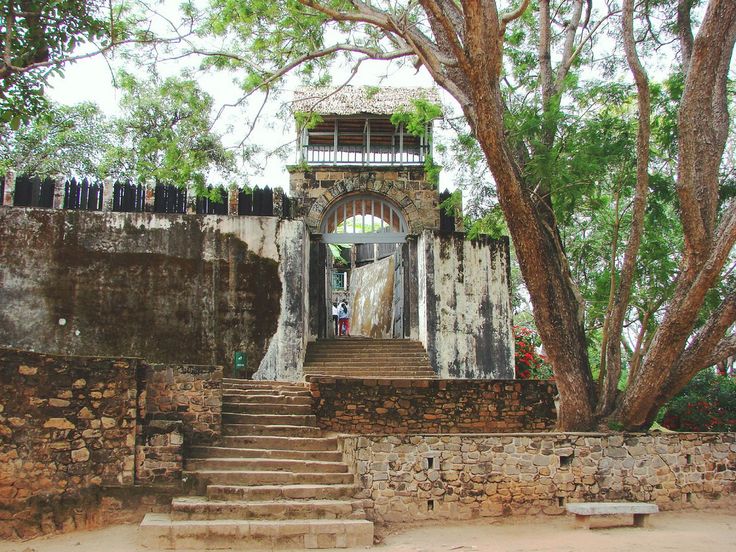
Perched 24 kilometers northeast of Antananarivo, the capital of Madagascar, lies Ambohimanga, a hilltop fortress and royal city that has stood for centuries as a powerful symbol of the island’s history, spirituality, and cultural identity. Known as one of the twelve sacred hills of Imerina, Ambohimanga is more than just a historic site, it is the spiritual heart of the Merina people and a place where past and present converge.
A Living Monument of the Merina Kingdom
Ambohimanga’s fortified royal settlement, or rova, is the best-preserved monument of the precolonial Merina Kingdom. Behind its defensive walls lies a walled village that once housed monarchs, their royal tombs, and sites of great ritual significance. For more than 400 years, this hill has inspired reverence among Malagasy people, drawing pilgrims from across the island and beyond who come to honor ancestors and seek blessings.
The site holds deep spiritual value, enriched not only by the tombs of Merina kings but also by burial sites of the Vazimba, considered to be the island’s earliest inhabitants. These layers of history give Ambohimanga its enduring sacred aura.
From Civil War to Unification
Ambohimanga rose to political prominence in the 18th century when King Andriamasinavalona divided the Kingdom of Imerina into four parts. His son Andriantsimitoviaminiandriana ruled the northeast quadrant, Avaradrano, from this hilltop stronghold. That division triggered nearly eight decades of civil conflict.
It was from Ambohimanga that King Andrianampoinimerina emerged as a unifier, ending the wars and reuniting Imerina in 1793. After seizing Antananarivo, he declared both cities equally important, Antananarivo as the political capital and Ambohimanga as the spiritual capital. The kings and queens who followed maintained rituals here, solidifying its dual role as a seat of sacred tradition and royal power until the French colonization and exile of the Merina royal family in 1897.
A Sacred Royal City
Ambohimanga’s defenses remain a marvel: stone walls, deep ditches, and 14 gateways, many once blocked by massive stone discs. Within these fortifications, the compound reflects Malagasy cosmology, where sacred meaning is attached to the four cardinal points and especially to the northeast.
The hilltop is divided into three main compounds:
- Mahandrihono – the largest and best preserved, built between 1710 and 1730, containing the tombs of Merina royalty, the house of Andrianampoinimerina, Queen Ranavalona II’s summer palace, and ritual sites including the royal zebu pen and bath.
- Bevato – established before 1710 but now without original structures.
- Nanjakana – built in the late 18th century for King Andrianjafy.
These compounds reveal the architectural and ceremonial sophistication of the Merina monarchy.
A World Heritage Treasure
In recognition of its unmatched cultural value, Ambohimanga was inscribed as a UNESCO World Heritage Site in 2001. Its status became even more significant after a fire in 1995 destroyed the Rova of Antananarivo, its historic sister city, which had also been slated for UNESCO recognition. Today, Ambohimanga stands as Madagascar’s only cultural World Heritage Site.
Preservation efforts led by both the government and civil society continue to safeguard the site against environmental damage and modern pressures. Restoration of stone walls, tombs, and ritual spaces ensures that future generations can experience this living monument.
Legacy of Identity and Faith
Ambohimanga is more than a historic site, it is a testament to the resilience and identity of the Malagasy people. For the Merina, it remains a sacred destination where history, spirituality, and culture are tightly interwoven. Pilgrims still ascend its gates to honor their ancestors, echoing centuries of ritual practice.
As Madagascar continues to modernize, Ambohimanga endures as a reminder of the island’s royal heritage, its ancient cosmology, and the unbroken spiritual bond between its people and their sacred hill.
 Takudzwa Joylene Chigura
  Celebrity World