

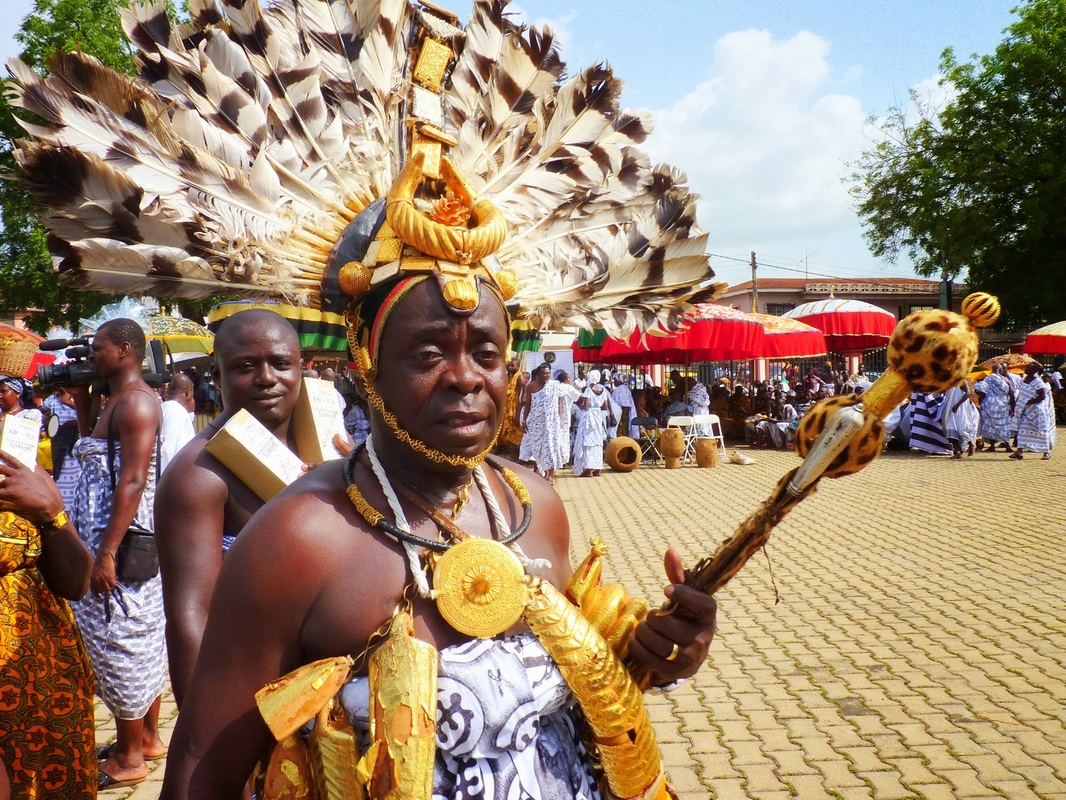
In the heart of West Africa lies one of the most iconic and influential cultures on the continent, the Ashanti (or Asante) of Ghana. With a legacy that stretches back centuries, the Ashanti culture is a symbol of African strength, elegance, and resilience.
From the legendary Golden Stool to the vibrant patterns of kente cloth, the Ashanti have maintained a rich heritage that continues to inspire artists, historians, and everyday Ghanaians.
A Kingdom Built on Gold and Glory
The Ashanti Empire was founded in the 17th century, growing into a powerful West African kingdom known for its military prowess, complex political systems, and vast gold resources. At the heart of the kingdom was Kumasi, the cultural and spiritual capital, which remains a bustling city to this day.
Central to Ashanti culture is the Golden Stool (Sika Dwa Kofi), a sacred symbol believed to contain the soul of the Ashanti people. It is never allowed to touch the ground and is seen as more powerful than even the king himself.
Kente: The Cloth of Kings
When you think of West African fashion, kente cloth instantly comes to mind. Originating from the Ashanti people, kente is handwoven from silk and cotton into stunning geometric patterns, each with its own name and meaning.
Color meanings in kente:
- Gold – Royalty and wealth
- Green – Growth and fertility
- Blue – Peace and harmony
- Red – Struggle and political passion
- Black – Maturity and spiritual strength
Kente is worn at weddings, graduations, coronations, and funerals, woven with pride and worn with purpose.
The Royal Court and Chieftaincy
Ashanti society is deeply structured, with a strong chieftaincy system that still exists today. At the top is the Asantehene, the king, who rules from the Manhyia Palace in Kumasi. Chiefs and queen mothers help govern towns and villages, maintaining cultural traditions and community welfare.
Royal ceremonies are grand affairs filled with music, drumming, libations, dancing, and regalia that display the power and unity of the people.
Language and Proverbs: Wisdom in Words
The Ashanti speak Twi (Asante Twi), one of the widely spoken languages in Ghana. But what truly sets their communication apart is their use of proverbs, poetic and wise sayings passed down through generations.
A popular Ashanti proverb says:
“Obi nkyere abofra Nyame.”
“No one shows a child the face of God.”
Proverbs like this are used in storytelling, speeches, and even daily conversations, reflecting values of respect, community, and spirituality.
Festivals: A Time to Reconnect
One of the most important celebrations in Ashanti culture is the Akwasidae Festival, held every six weeks. During this festival, the Asantehene meets with his subjects, pays homage to ancestors, and celebrates the spiritual connection between past and present.
Traditional drumming, dancing, and pouring of libation mark the occasion, a reminder that the ancestors are still watching and guiding.
Final Word: Royal Roots, Global Reach
The Ashanti culture is more than gold, cloth, and tradition,it’s a living, breathing identity that continues to influence music, art, politics, and fashion worldwide. As Ghana grows on the global stage, the pride of the Ashanti remains one of its brightest symbols.
In a world that often forgets where it comes from, the Ashanti remind us that royalty begins with remembering your roots.
 Takudzwa Joylene Chigura